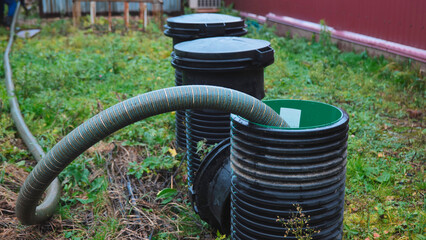
For many homeowners, the septic system is something that stays out of sight and out of mind until a problem suddenly appears. Slow drains, unpleasant odors, or standing water in the yard often catch people by surprise because the septic system has been working quietly underground for years. Like any essential part of a home, however, a septic system requires regular care to continue operating efficiently.
Ignoring routine maintenance can lead to expensive repairs, property damage, and unnecessary inconvenience. Understanding what septic tank services entail and why they are so important can help homeowners protect their property, extend their system’s lifespan, and avoid unexpected problems in the future. Contact The Septic Guys to learn more.
What Are Septic Tank Services?
Septic tank services refer to the various maintenance, inspection, cleaning, pumping, and repair procedures performed to keep a septic system functioning properly. These services are designed to ensure that wastewater flows safely from the home into the septic tank, where solids and liquids are separated before treated water moves into the drain field. A properly maintained system operates quietly in the background, but it relies on regular attention to prevent buildup, blockages, and mechanical failures. Septic tank services help identify potential issues before they become major problems that affect the entire property.
Routine septic care involves much more than simply emptying the tank when it becomes full. Professionals evaluate the condition of the tank, inspect system components, check for signs of wear, and verify that wastewater is moving through the system correctly. They also look for early warning signs such as excessive sludge accumulation, damaged baffles, blocked pipes, or drain field concerns. By monitoring the entire system rather than focusing on only one component, septic tank services help maintain reliable performance while reducing the risk of unexpected failures.
Why Is Regular Septic Maintenance So Important?
Regular maintenance is one of the most effective ways to protect the long-term health of a septic system. As wastewater enters the tank, solid waste gradually settles at the bottom while oils and grease float to the top. Over time, these materials accumulate and reduce the available space inside the tank. If they are allowed to build up excessively, solids may enter the drain field, creating blockages that are expensive and difficult to correct. Routine maintenance helps remove accumulated waste before it begins affecting the rest of the system.
Proper maintenance also provides an opportunity to identify developing problems before they become emergencies. Small cracks, deteriorating components, restricted pipes, or signs of excessive wear can often be detected during routine service visits. Correcting these issues early usually costs far less than repairing a system that has experienced complete failure. Consistent maintenance also contributes to more reliable household plumbing because wastewater continues flowing efficiently through the septic system. Investing in routine care helps homeowners avoid unnecessary disruptions and costly repairs.
What Services Are Commonly Included?
One of the most familiar septic tank services is septic pumping, which removes accumulated sludge and floating materials from inside the tank. Pumping restores available capacity and helps prevent solids from reaching the drain field. The frequency of pumping depends on several factors, including household size, water usage, tank capacity, and the amount of waste entering the system. Performing this service on an appropriate schedule supports long-term system performance and reduces the likelihood of backups.
Septic inspections are another essential service because they provide valuable information about the condition of the entire system. During an inspection, professionals evaluate the tank, inlet and outlet components, visible piping, and surrounding areas for signs of leaks or structural damage. They also assess whether wastewater appears to be flowing properly throughout the system. Additional services may include locating buried tanks, checking drain field performance, cleaning filters when applicable, and identifying maintenance concerns that should be addressed before they worsen. Together, these services create a comprehensive approach to septic system care.
What Are the Warning Signs That Septic Service Is Needed?
Many septic systems provide early warning signs before major problems develop. One of the most noticeable indicators is slow drainage throughout the home. When multiple sinks, bathtubs, or toilets begin draining more slowly than usual, it may suggest that the septic system is no longer operating efficiently. Frequent backups or gurgling sounds in plumbing fixtures may also indicate that wastewater is encountering restrictions within the system. These symptoms should never be ignored because they often become more serious over time.
Outdoor warning signs are equally important. Persistent sewage odors near the tank or drain field may indicate that wastewater is not being processed correctly. Areas of unusually green grass, soggy soil, or standing water near the drain field may suggest that wastewater is surfacing instead of filtering properly underground. Homeowners should also pay attention to recurring plumbing issues that affect multiple fixtures at the same time. Seeking septic service promptly after noticing these warning signs helps prevent more extensive system damage.
How Do Septic Tank Services Protect the Drain Field?
The drain field is one of the most important parts of the entire septic system because it completes the treatment process by allowing wastewater to filter safely through the soil. Although the drain field operates underground, its performance depends heavily on the condition of the septic tank. When excessive solids leave the tank due to inadequate maintenance, they may clog the drain field and reduce its ability to absorb wastewater efficiently. Once significant drain field damage occurs, repairs often become much more expensive than routine septic maintenance.
Regular septic tank services help protect the drain field by ensuring solids remain inside the tank until they are removed during pumping. Inspections also allow professionals to identify early signs of drain field stress before complete failure occurs. Proper household water usage and routine maintenance work together to reduce unnecessary strain on the system. Protecting the drain field not only extends the lifespan of the septic system but also helps preserve the surrounding property. Long-term septic performance depends on maintaining every part of the system rather than focusing only on the tank itself.
How Can Homeowners Extend the Life of Their Septic System?
Daily household habits have a significant impact on septic system performance. Conserving water reduces the amount of wastewater entering the tank, allowing more time for proper separation of solids and liquids. Repairing leaking faucets, toilets, and plumbing fixtures helps prevent unnecessary water from overwhelming the system. Homeowners should also avoid disposing of grease, oils, wipes, paper towels, and other non biodegradable materials down drains because these items increase the risk of clogs and interfere with normal septic operation. Responsible water usage supports healthier long-term system performance.
Routine maintenance should also become part of regular home ownership. Scheduling inspections and pumping at appropriate intervals allows professionals to monitor system health before problems become severe. Heavy vehicles should never be driven over septic tanks or drain fields because excessive weight may damage underground components. Landscaping should also be planned carefully so tree roots do not interfere with buried pipes. Combining proper maintenance with responsible household habits significantly increases the lifespan of a septic system while reducing future repair costs.
Why Are Professional Septic Services Worth the Investment?
Although homeowners can practice good septic habits every day, professional services remain essential for evaluating the system’s overall condition. Many septic components are buried underground and cannot be inspected without specialized knowledge and equipment. Professionals understand how different parts of the system interact and can identify subtle warning signs that may not be obvious during routine observation. Their evaluations help homeowners make informed maintenance decisions while avoiding unnecessary risks.
Professional septic services also provide peace of mind because homeowners gain confidence that their system is functioning properly. Regular service appointments create a maintenance history that can help identify changes in system performance over time. Instead of waiting for an emergency to reveal hidden problems, homeowners benefit from preventive care that reduces the likelihood of unexpected failures. Investing in professional septic services supports reliable wastewater management while protecting both the property and the environment. Long-term maintenance remains one of the most valuable investments any septic system owner can make.
Final Thoughts
Septic tank services play a vital role in maintaining the health, efficiency, and longevity of residential septic systems. Routine pumping, inspections, maintenance, and early repairs help prevent costly failures while ensuring wastewater is processed safely and effectively. Regular service also protects important components such as the drain field and reduces the likelihood of unpleasant backups, odors, and plumbing problems. Combined with responsible household habits and consistent maintenance, professional septic tank services help homeowners protect one of the most important systems on their property. Understanding the importance of septic care allows homeowners to make informed decisions that support reliable performance and long-term peace of mind.