A staircase is much more than a way to move between floors. It often serves as one of the most striking architectural features in a home, naturally drawing attention from anyone who enters the space. While flooring, lighting, and furniture all contribute to the overall design, the stairway railing can define the character of the entire interior. A thoughtfully designed metal railing combines safety with artistic expression, creating a feature that enhances both form and function. Whether a homeowner prefers sleek contemporary lines or timeless decorative details, exploring Architecture Stairway Metal Railing ideas can inspire a staircase that becomes a lasting focal point within the home.
Why Are Metal Railings Popular in Modern Architecture?
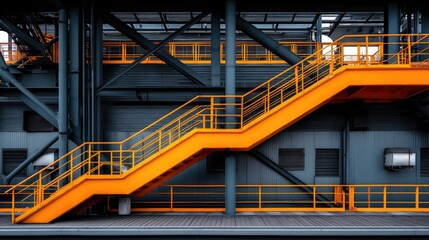
Metal railings have become increasingly popular because they offer an ideal balance of strength, versatility, and visual appeal. Unlike some traditional materials, metal provides exceptional structural support while allowing designers to create both minimalist and highly decorative patterns. Its durability makes it suitable for everyday use without sacrificing elegance, making it an attractive option for homes of every size. Modern fabrication techniques also allow intricate details to be incorporated into designs that would be difficult to achieve with many other materials. This flexibility gives homeowners greater creative freedom when designing their staircase.
Another reason metal railings continue to grow in popularity is their compatibility with a wide variety of architectural styles. Contemporary homes often feature clean geometric lines, while traditional interiors may incorporate ornamental curves or decorative scrollwork. Industrial, farmhouse, transitional, and luxury designs all benefit from the adaptability of metal. Whether paired with wood treads, glass panels, stone flooring, or concrete staircases, metal railings create a refined appearance that complements surrounding materials. Their ability to blend with different design themes contributes to their lasting appeal.
What Modern Stairway Metal Railing Designs Are Trending?
Minimalist railing designs remain among the most popular choices for homeowners seeking a contemporary appearance. Simple vertical balusters, horizontal metal bars, and streamlined handrails create clean architectural lines that emphasize openness rather than visual clutter. These designs often make staircases appear lighter and more spacious, particularly in homes with open floor plans. Their understated appearance allows other architectural features to remain prominent while still providing a sophisticated focal point. Minimalist railings continue to appeal because they balance simplicity with timeless style.
Geometric patterns have also become a defining feature of modern stairway design. Rectangular grids, angular shapes, and repeating linear patterns introduce visual interest without overwhelming the surrounding interior. These artistic elements allow homeowners to personalize their staircase while maintaining a clean architectural aesthetic. Depending on the overall design, geometric railings may become a subtle accent or a dramatic centerpiece within the home. Their structured appearance works especially well in spaces that emphasize symmetry and contemporary design.
How Can Decorative Metal Railings Add Character?
Decorative metal railings offer homeowners an opportunity to express personal style while enhancing the overall architecture of the home. Intricate scrollwork, floral motifs, custom cut patterns, and handcrafted details create a sense of craftsmanship that transforms an ordinary staircase into a work of art. Decorative railings often become conversation pieces because they introduce unique visual elements that cannot be achieved through standard railing systems. Every curve and detail contributes to the individuality of the finished design.
Decorative designs are not limited to traditional homes. Modern decorative railings often incorporate abstract shapes, flowing curves, or artistic laser cut panels that complement contemporary interiors beautifully. Combining decorative metal with clean architectural lines creates an interesting balance between classic craftsmanship and modern design principles. This flexibility allows homeowners to achieve a custom appearance that reflects their personality while maintaining harmony with the rest of the home. Decorative railings continue to evolve as both functional and artistic architectural features.
Which Metal Finishes Work Best for Stair Railings?
The finish applied to a metal railing plays a significant role in defining its final appearance. Matte black remains one of the most popular options because it complements nearly every architectural style while providing a clean and sophisticated look. Its neutral character allows it to coordinate with wood flooring, stone surfaces, painted walls, and a wide variety of decorative accents. Matte finishes also tend to emphasize the railing’s design without creating excessive visual distraction. Their timeless appearance contributes to long lasting style.
Other finish options provide different design possibilities depending on the desired atmosphere. Brushed metallic finishes create a sleek contemporary appearance that reflects light subtly throughout the staircase. Bronze finishes introduce warmth that pairs beautifully with traditional interiors and natural wood elements. Textured coatings offer additional visual depth while helping conceal everyday wear. Selecting the right finish allows homeowners to reinforce the overall design theme while enhancing the durability of the railing itself.
How Can Metal Railings Make a Space Feel Larger?
Open metal railing designs contribute significantly to the perception of spaciousness within a home. Unlike solid barriers that interrupt sightlines, slender metal balusters and open frameworks allow natural light to travel freely between levels. This increased visibility creates a stronger visual connection throughout the interior, making rooms appear brighter and more expansive. Even smaller homes often benefit from the sense of openness created by carefully designed metal railings. Improved light flow contributes to a more welcoming atmosphere.
The visual lightness of metal also helps reduce the apparent bulk of the staircase itself. Heavy architectural elements may dominate compact interiors, while open railing systems minimize visual weight without sacrificing structural support. This balance between strength and transparency allows the staircase to become an elegant feature rather than an obstacle within the room. Combining metal railings with open stair treads or glass accents can further enhance this spacious effect. Thoughtful railing design supports both functionality and interior comfort.
What Should Homeowners Consider Before Choosing a Stairway Metal Railing?
Selecting the right metal railing begins with evaluating the overall architectural style of the home. The staircase should complement surrounding design elements rather than competing with them for attention. Flooring materials, lighting fixtures, wall finishes, and nearby furniture all influence which railing style will create the most cohesive appearance. Homeowners should also consider whether they want the staircase to serve as a dramatic focal point or blend subtly into the overall interior. Careful planning ensures every design decision contributes to a unified result.
Practical considerations are equally important throughout the selection process. Safety, durability, maintenance requirements, and long term performance should all receive careful attention alongside appearance. Families with children or older adults may prioritize secure handrails and comfortable grip profiles, while homeowners focused on design may emphasize custom patterns and finishes. Balancing aesthetics with everyday functionality creates a staircase that remains both beautiful and practical for years to come. The best railing designs succeed because they combine architectural elegance with reliable performance.
Can Custom Metal Railings Increase Home Value?
Architectural details often influence how people perceive the overall quality of a home, and custom stairway metal railings are no exception. A beautifully crafted staircase immediately attracts attention while suggesting careful planning and quality craftsmanship throughout the property. Visitors and prospective buyers frequently remember distinctive architectural features long after leaving the home because they contribute to its unique identity. Investing in a well designed metal railing enhances both daily enjoyment and the home’s visual appeal.
Custom railings also offer lasting value because of their durability and timeless design potential. Unlike decorative trends that may change quickly, quality metal fabrication often remains attractive for decades with minimal maintenance. Homeowners benefit from an architectural feature that continues serving both functional and aesthetic purposes throughout the life of the home. Combining craftsmanship, structural integrity, and thoughtful design creates an investment that supports long term property value while enhancing everyday living.
Final Thoughts
Architectural stairway metal railings combine safety, durability, and artistic design to create one of the most impressive features within a home. Whether homeowners prefer sleek minimalist lines, decorative craftsmanship, geometric patterns, or custom finishes, metal railings offer remarkable flexibility for nearly every architectural style. Their ability to improve visual flow, increase natural light, and complement surrounding materials makes them a valuable addition to both modern and traditional interiors. With thoughtful planning and quality craftsmanship, a metal stairway railing becomes far more than a safety feature. It becomes a lasting architectural statement that enhances the beauty, functionality, and long-term value of the home.