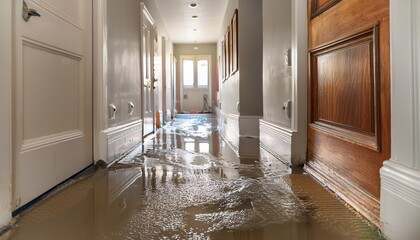
Water can enter a home in countless ways, but it always has one thing in common: it rarely stays where it first appears. A leaking pipe, overflowing appliance, roof leak, or unexpected plumbing failure can allow moisture to spread through walls, ceilings, flooring, and structural materials before homeowners even realize the full extent of the problem. While removing standing water is an important first step, restoring the home’s condition often requires much more than simple cleanup.
Damaged materials may need to be repaired or replaced to ensure the property remains safe, stable, and comfortable. Understanding how Salt Lake Water Damage Repair works helps homeowners make informed decisions, minimize long-term damage, and protect their investment after a water emergency.
What Is Water Damage Repair?
Water damage repair is the process of restoring building materials and structural components that have been affected by unwanted water. Unlike water removal or initial cleanup, repair focuses on correcting the physical damage left behind after the property has been thoroughly dried. This may include repairing walls, ceilings, flooring, trim, cabinetry, insulation, and other parts of the home that no longer perform as intended because of water exposure. The goal is to return the property to a safe, functional, and attractive condition while preserving as much of the original structure as possible.
Every repair project begins with understanding how severely the water affected the home. Some materials recover completely after proper drying, while others may have weakened, warped, or deteriorated beyond practical repair. Evaluating the condition of each affected area helps determine which components can remain and which require replacement. Careful assessment ensures repairs address the true extent of the damage rather than simply improving the appearance of visible surfaces. A thorough repair process supports both structural integrity and long-term property value.
What Commonly Causes Water Damage That Requires Repair?
Many different situations can lead to water damage that eventually requires repairs. Plumbing failures remain one of the most common causes because burst pipes, leaking supply lines, broken fixtures, and overflowing appliances can release significant amounts of water in a short period. Even slow leaks hidden behind walls or beneath sinks may gradually damage surrounding materials before becoming noticeable. Since moisture often spreads quietly through concealed areas, homeowners sometimes discover the problem only after structural damage has already occurred. Early detection greatly reduces the amount of repair work that may be necessary.
Weather related events can also contribute to water damage inside the home. Heavy rainfall, damaged roofing, clogged gutters, poor drainage, and foundation seepage may all allow moisture to enter the structure. Water can also find its way through damaged window seals or deteriorating exterior materials during severe storms. Regardless of how the water enters, the longer it remains inside the home, the more likely building materials are to require repair. Understanding these common causes helps homeowners recognize problems before they become more extensive.
What Parts of a Home Are Commonly Repaired After Water Damage?
Water affects different materials in different ways, making careful evaluation an important part of the repair process. Drywall is one of the most frequently repaired materials because it absorbs moisture quickly and may lose strength after prolonged exposure. Ceilings may also develop stains, sagging areas, or weakened sections that require repair once the source of the water has been addressed. Flooring materials such as hardwood, laminate, carpeting, and subfloors often require attention depending on how much water they absorbed and how long they remained wet. Every material responds differently to moisture, requiring repairs that match its specific condition.
Wood trim, cabinets, doors, and framing may also require repairs if water has caused swelling, separation, or structural deterioration. Insulation hidden inside walls or ceilings may lose its effectiveness after becoming saturated, making replacement necessary in some situations. Exterior components may also need repairs if water entered through roofing materials, siding, or damaged flashing. A comprehensive repair process evaluates every affected area rather than focusing only on the most visible damage. This thorough approach helps restore both the appearance and functionality of the home.
Why Is Thorough Drying Important Before Repairs Begin?
Repair work should never begin until the affected areas have been thoroughly dried. Although surfaces may appear dry, moisture often remains trapped inside walls, flooring, ceilings, and structural framing long after visible water has disappeared. Beginning repairs too early may trap hidden moisture inside newly repaired areas, allowing additional damage to continue developing beneath finished surfaces. Proper drying creates a stable environment where repairs can be completed more successfully. Taking the time to ensure materials are adequately dry helps improve the durability of the finished work.
Drying also allows homeowners to understand the true extent of the damage. Some materials that initially appear severely affected may recover well after moisture has been removed, while others reveal additional deterioration only after drying is complete. Waiting until moisture levels stabilize allows repair decisions to be based on the actual condition of the structure rather than assumptions made immediately after the water event. Careful preparation contributes to more effective and longer lasting repairs. Patience during the drying stage often prevents unnecessary work later.
How Can Homeowners Reduce Repair Costs?
One of the most effective ways to reduce repair expenses is by responding immediately after water damage is discovered. Stopping the source of the water as quickly as possible limits the amount of moisture entering the home and reduces the number of building materials affected. Small plumbing leaks repaired promptly often result in far less damage than leaks that continue unnoticed for days or weeks. Early intervention frequently preserves flooring, drywall, cabinetry, and structural components that might otherwise require replacement. Fast action remains one of the most valuable cost saving strategies.
Routine home maintenance also plays an important role in preventing expensive repairs. Plumbing systems should be inspected regularly for worn connections, corrosion, loose fittings, and aging supply lines. Roofs, gutters, windows, and exterior drainage systems should also receive periodic attention because many water problems begin outside the home. Addressing small maintenance issues before they become major leaks significantly reduces the likelihood of costly restoration projects. Preventive maintenance protects both the property and the homeowner’s budget over the long term.
When Should Homeowners Consider Professional Water Damage Repair?
Some minor cosmetic repairs may be manageable for homeowners, particularly when water exposure has been limited and the affected area is small. However, more extensive water damage often requires a broader evaluation because moisture may have spread beyond what is immediately visible. Structural components, insulation, flooring systems, and hidden wall cavities can all retain moisture long after surface cleanup has been completed. Understanding the full extent of the damage is essential before repair decisions are made. Larger water events usually benefit from a more comprehensive approach.
Professional repair focuses not only on restoring appearance but also on ensuring the home remains structurally sound after water damage. Careful assessment helps identify hidden concerns that may otherwise go unnoticed until additional damage develops. Repairs are planned according to the condition of each affected material, allowing homeowners to make informed decisions about preserving or replacing different parts of the property. This systematic approach supports both immediate recovery and long-term structural performance. Thorough repairs provide greater confidence that the home has been restored properly.
How Can Homeowners Prevent Future Water Damage?
Preventing future water damage begins with regular inspections throughout the home. Plumbing fixtures, water supply lines, appliances, and water heaters should be checked periodically for leaks, corrosion, or worn connections. Replacing aging hoses and repairing small plumbing issues before they fail often prevents much larger repair projects later. Homeowners should also remain alert for subtle warning signs such as discoloration, peeling paint, warped flooring, or musty odors because these symptoms may indicate hidden moisture. Consistent observation allows problems to be corrected before they spread.
Exterior maintenance provides another important layer of protection. Gutters should remain clean so rainwater flows away from the roof properly, while downspouts should direct water away from the foundation. Roof coverings, flashing, siding, windows, and exterior seals should also be inspected regularly for signs of deterioration. Maintaining proper drainage around the home reduces the likelihood of water entering basements, crawl spaces, or lower levels during heavy rainfall. Combining preventive maintenance with prompt attention to warning signs helps homeowners avoid many future water damage repairs.
Final Thoughts
Water damage repair is an essential step in restoring a home after unwanted water has affected its structure and finishes. While removing standing water and drying the property are important parts of recovery, repairing damaged materials ensures the home remains safe, functional, and visually appealing for years to come. Acting quickly after water damage occurs, allowing sufficient drying time, evaluating affected materials carefully, and maintaining the home regularly all contribute to better repair outcomes and lower long-term costs. By understanding how water damage repair works and responding proactively to both emergencies and routine maintenance, homeowners can protect their investment while preserving the comfort and value of their property.