
Are Stamped Concrete Pool Decks a Good Choice for Your Backyard?

Stamped Concrete

A swimming pool is often the centerpiece of an outdoor living space, but the area surrounding it plays an equally important role in both appearance and functionality. A plain pool deck may serve its purpose, yet it rarely creates the inviting atmosphere many homeowners envision. The right surface can transform an ordinary backyard into a relaxing retreat where family and friends enjoy spending time year-round.

Stamped concrete pool decks have become an increasingly popular option because they combine durability, versatility, and attractive design in a single solution. Understanding how stamped concrete works and what benefits it offers helps homeowners determine whether it is the right choice for creating a beautiful and functional outdoor space. Click Here for more information

What Is a Stamped Concrete Pool Deck?

A stamped concrete pool deck is a concrete surface that is textured and patterned during installation to resemble natural materials such as stone, slate, brick, tile, or wood. Instead of installing multiple individual materials, specialized stamping techniques create decorative designs directly in the concrete while it is still workable. This process allows homeowners to enjoy the appearance of premium materials while benefiting from the strength and stability of concrete. The result is a customized outdoor surface that complements the surrounding landscape and architecture. Stamped concrete offers both visual appeal and long-term performance in one installation.

Color is another important feature of stamped concrete. Various coloring techniques allow homeowners to choose shades that coordinate with the home’s exterior, pool design, and surrounding landscaping. Soft earth tones create a natural appearance, while cooler grays and contemporary colors support more modern outdoor environments. Because patterns and colors can be combined in numerous ways, each pool deck can be tailored to match the homeowner’s design preferences. This flexibility has contributed significantly to the growing popularity of stamped concrete.

Why Are Stamped Concrete Pool Decks So Popular?

Homeowners often choose stamped concrete because it provides an attractive appearance without sacrificing durability. Pool decks experience constant exposure to sunlight, water, foot traffic, outdoor furniture, and changing weather conditions. A properly installed stamped concrete surface is designed to withstand these everyday demands while maintaining its visual appeal over time. The combination of strength and decorative design makes it a practical investment for many outdoor living spaces. Homeowners appreciate having a surface that performs well while enhancing the overall appearance of the backyard.

Another reason for its popularity is design flexibility. Stamped concrete can complement a wide variety of architectural styles, from traditional homes to contemporary outdoor living areas. Decorative patterns and custom color combinations allow the pool deck to coordinate with patios, walkways, retaining walls, and landscaping features throughout the property. This consistency helps create a unified outdoor environment that feels carefully planned rather than assembled over time. A cohesive design often improves both the beauty and functionality of the backyard.

What Design Options Are Available for Stamped Concrete Pool Decks?

One of the greatest advantages of stamped concrete is the wide variety of available patterns and textures. Homeowners can select finishes that resemble natural flagstone, cobblestone, brick, slate, or even wood planks while maintaining the structural benefits of concrete. These patterns introduce texture and visual depth that elevate the appearance of the entire pool area. Depending on the selected design, the finished deck can appear rustic, elegant, contemporary, or timeless. The broad selection of patterns allows homeowners to personalize their outdoor spaces according to their individual preferences.

Color options further expand the design possibilities. Warm tan, sandstone, brown, and terracotta tones blend naturally with landscaping and traditional home exteriors. Cooler shades such as gray, charcoal, and soft blue complement modern architectural designs while creating a clean and sophisticated appearance. Multiple colors can also be incorporated to add dimension and realism to the stamped pattern. Careful coordination between pattern, color, and surrounding materials helps produce an outdoor environment that feels balanced and visually appealing.

Are Stamped Concrete Pool Decks Durable?

Durability remains one of the strongest reasons homeowners invest in stamped concrete around swimming pools. Concrete is naturally capable of handling frequent foot traffic, outdoor furniture, and exposure to changing weather conditions throughout the year. When installed correctly, stamped concrete maintains its structural integrity while providing an attractive decorative finish. Unlike some materials that may shift or loosen over time, a properly constructed concrete deck creates a stable and dependable surface for everyday use. This combination of appearance and strength contributes to its long-term value.

Protective sealers also help preserve the appearance of stamped concrete by reducing the effects of moisture, sunlight, and everyday wear. Routine maintenance allows homeowners to keep the surface looking attractive while protecting the decorative finish. Periodic inspections help identify small concerns before they develop into larger maintenance issues. With proper care, stamped concrete pool decks continue performing well for many years. Their long service life makes them an appealing choice for homeowners seeking lasting outdoor improvements.

How Does Stamped Concrete Improve Outdoor Living Spaces?

A well-designed pool deck naturally becomes an extension of the home’s living area. Families gather around the pool to relax, entertain guests, and enjoy outdoor activities, making the surrounding surface an important part of the overall experience. Stamped concrete helps create a welcoming atmosphere by introducing texture, color, and architectural character throughout the backyard. Rather than serving simply as a walking surface, the deck becomes a defining design feature that enhances the enjoyment of the outdoor environment. Thoughtful design contributes to a more comfortable and inviting space.

Stamped concrete also allows homeowners to create visual continuity throughout the property. Matching decorative concrete finishes can be extended to patios, walkways, outdoor kitchens, and seating areas, creating a cohesive landscape design. This coordinated appearance strengthens the relationship between different outdoor spaces while improving the overall flow of the property. Consistency in design often makes the backyard feel larger and more professionally planned. Every element works together to create a unified outdoor retreat.

What Maintenance Do Stamped Concrete Pool Decks Require?

One of the advantages of stamped concrete is that it requires relatively simple maintenance when compared with some alternative materials. Routine cleaning helps remove dirt, leaves, debris, and other outdoor contaminants before they accumulate on the surface. Washing the deck periodically helps preserve both its appearance and safety throughout the year. Regular attention keeps decorative details looking fresh while supporting long-term performance. Consistent maintenance contributes to lasting visual appeal.

Protective sealing is another important part of maintaining stamped concrete. Over time, exposure to sunlight, pool water, weather, and everyday use naturally affects the surface finish. Applying an appropriate sealer at recommended intervals helps preserve color, reduce surface wear, and protect the decorative texture. Homeowners should also inspect the deck periodically for small cracks or minor surface issues so they can be addressed promptly. Preventive maintenance helps maximize the lifespan of the pool deck while maintaining its attractive appearance.

Can Stamped Concrete Pool Decks Increase Property Value?

Outdoor living spaces continue to play an important role in how homeowners and prospective buyers evaluate a property. A well-designed pool area often becomes one of the home’s most memorable features because it extends usable living space beyond the interior. Stamped concrete enhances this area by creating an attractive, durable surface that complements both the pool and the surrounding landscape. A visually appealing outdoor environment contributes to stronger curb appeal while increasing the overall enjoyment of the property. First impressions often begin before anyone enters the home itself.

Stamped concrete also represents a long-term investment because it combines decorative design with reliable performance. Rather than requiring multiple materials to achieve a sophisticated appearance, homeowners benefit from one versatile surface that supports both beauty and functionality. The durability of concrete, combined with its customizable appearance, allows the pool deck to remain an attractive feature for many years. Investing in quality outdoor improvements often enhances both everyday living and the property’s long-term appeal. A thoughtfully designed pool deck adds lasting value to the home.

Final Thoughts

Stamped concrete pool decks offer homeowners an excellent combination of beauty, durability, and design flexibility. By replicating the appearance of natural stone, brick, slate, or other premium materials, stamped concrete transforms ordinary pool areas into inviting outdoor living spaces without sacrificing strength or functionality. Its wide range of patterns, colors, and finishes allows every project to reflect the homeowner’s personal style while complementing the surrounding architecture and landscape. With proper installation and routine maintenance, stamped concrete provides years of dependable performance while enhancing the overall enjoyment and value of the property. For homeowners seeking an attractive and long-lasting pool deck solution, stamped concrete continues to be one of the most practical and visually rewarding choices available.
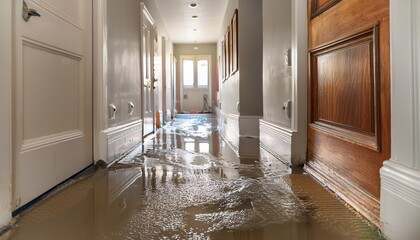

What Is Water Damage Repair? A Complete Guide for Homeowners

Water Damage Repair

Water can enter a home in countless ways, but it always has one thing in common: it rarely stays where it first appears. A leaking pipe, overflowing appliance, roof leak, or unexpected plumbing failure can allow moisture to spread through walls, ceilings, flooring, and structural materials before homeowners even realize the full extent of the problem. While removing standing water is an important first step, restoring the home’s condition often requires much more than simple cleanup.

Damaged materials may need to be repaired or replaced to ensure the property remains safe, stable, and comfortable. Understanding how Salt Lake Water Damage Repair works helps homeowners make informed decisions, minimize long-term damage, and protect their investment after a water emergency.

What Is Water Damage Repair?

Water damage repair is the process of restoring building materials and structural components that have been affected by unwanted water. Unlike water removal or initial cleanup, repair focuses on correcting the physical damage left behind after the property has been thoroughly dried. This may include repairing walls, ceilings, flooring, trim, cabinetry, insulation, and other parts of the home that no longer perform as intended because of water exposure. The goal is to return the property to a safe, functional, and attractive condition while preserving as much of the original structure as possible.

Every repair project begins with understanding how severely the water affected the home. Some materials recover completely after proper drying, while others may have weakened, warped, or deteriorated beyond practical repair. Evaluating the condition of each affected area helps determine which components can remain and which require replacement. Careful assessment ensures repairs address the true extent of the damage rather than simply improving the appearance of visible surfaces. A thorough repair process supports both structural integrity and long-term property value.

What Commonly Causes Water Damage That Requires Repair?

Many different situations can lead to water damage that eventually requires repairs. Plumbing failures remain one of the most common causes because burst pipes, leaking supply lines, broken fixtures, and overflowing appliances can release significant amounts of water in a short period. Even slow leaks hidden behind walls or beneath sinks may gradually damage surrounding materials before becoming noticeable. Since moisture often spreads quietly through concealed areas, homeowners sometimes discover the problem only after structural damage has already occurred. Early detection greatly reduces the amount of repair work that may be necessary.

Weather related events can also contribute to water damage inside the home. Heavy rainfall, damaged roofing, clogged gutters, poor drainage, and foundation seepage may all allow moisture to enter the structure. Water can also find its way through damaged window seals or deteriorating exterior materials during severe storms. Regardless of how the water enters, the longer it remains inside the home, the more likely building materials are to require repair. Understanding these common causes helps homeowners recognize problems before they become more extensive.

What Parts of a Home Are Commonly Repaired After Water Damage?

Water affects different materials in different ways, making careful evaluation an important part of the repair process. Drywall is one of the most frequently repaired materials because it absorbs moisture quickly and may lose strength after prolonged exposure. Ceilings may also develop stains, sagging areas, or weakened sections that require repair once the source of the water has been addressed. Flooring materials such as hardwood, laminate, carpeting, and subfloors often require attention depending on how much water they absorbed and how long they remained wet. Every material responds differently to moisture, requiring repairs that match its specific condition.

Wood trim, cabinets, doors, and framing may also require repairs if water has caused swelling, separation, or structural deterioration. Insulation hidden inside walls or ceilings may lose its effectiveness after becoming saturated, making replacement necessary in some situations. Exterior components may also need repairs if water entered through roofing materials, siding, or damaged flashing. A comprehensive repair process evaluates every affected area rather than focusing only on the most visible damage. This thorough approach helps restore both the appearance and functionality of the home.

Why Is Thorough Drying Important Before Repairs Begin?

Repair work should never begin until the affected areas have been thoroughly dried. Although surfaces may appear dry, moisture often remains trapped inside walls, flooring, ceilings, and structural framing long after visible water has disappeared. Beginning repairs too early may trap hidden moisture inside newly repaired areas, allowing additional damage to continue developing beneath finished surfaces. Proper drying creates a stable environment where repairs can be completed more successfully. Taking the time to ensure materials are adequately dry helps improve the durability of the finished work.

Drying also allows homeowners to understand the true extent of the damage. Some materials that initially appear severely affected may recover well after moisture has been removed, while others reveal additional deterioration only after drying is complete. Waiting until moisture levels stabilize allows repair decisions to be based on the actual condition of the structure rather than assumptions made immediately after the water event. Careful preparation contributes to more effective and longer lasting repairs. Patience during the drying stage often prevents unnecessary work later.

How Can Homeowners Reduce Repair Costs?

One of the most effective ways to reduce repair expenses is by responding immediately after water damage is discovered. Stopping the source of the water as quickly as possible limits the amount of moisture entering the home and reduces the number of building materials affected. Small plumbing leaks repaired promptly often result in far less damage than leaks that continue unnoticed for days or weeks. Early intervention frequently preserves flooring, drywall, cabinetry, and structural components that might otherwise require replacement. Fast action remains one of the most valuable cost saving strategies.

Routine home maintenance also plays an important role in preventing expensive repairs. Plumbing systems should be inspected regularly for worn connections, corrosion, loose fittings, and aging supply lines. Roofs, gutters, windows, and exterior drainage systems should also receive periodic attention because many water problems begin outside the home. Addressing small maintenance issues before they become major leaks significantly reduces the likelihood of costly restoration projects. Preventive maintenance protects both the property and the homeowner’s budget over the long term.

When Should Homeowners Consider Professional Water Damage Repair?

Some minor cosmetic repairs may be manageable for homeowners, particularly when water exposure has been limited and the affected area is small. However, more extensive water damage often requires a broader evaluation because moisture may have spread beyond what is immediately visible. Structural components, insulation, flooring systems, and hidden wall cavities can all retain moisture long after surface cleanup has been completed. Understanding the full extent of the damage is essential before repair decisions are made. Larger water events usually benefit from a more comprehensive approach.

Professional repair focuses not only on restoring appearance but also on ensuring the home remains structurally sound after water damage. Careful assessment helps identify hidden concerns that may otherwise go unnoticed until additional damage develops. Repairs are planned according to the condition of each affected material, allowing homeowners to make informed decisions about preserving or replacing different parts of the property. This systematic approach supports both immediate recovery and long-term structural performance. Thorough repairs provide greater confidence that the home has been restored properly.

How Can Homeowners Prevent Future Water Damage?

Preventing future water damage begins with regular inspections throughout the home. Plumbing fixtures, water supply lines, appliances, and water heaters should be checked periodically for leaks, corrosion, or worn connections. Replacing aging hoses and repairing small plumbing issues before they fail often prevents much larger repair projects later. Homeowners should also remain alert for subtle warning signs such as discoloration, peeling paint, warped flooring, or musty odors because these symptoms may indicate hidden moisture. Consistent observation allows problems to be corrected before they spread.

Exterior maintenance provides another important layer of protection. Gutters should remain clean so rainwater flows away from the roof properly, while downspouts should direct water away from the foundation. Roof coverings, flashing, siding, windows, and exterior seals should also be inspected regularly for signs of deterioration. Maintaining proper drainage around the home reduces the likelihood of water entering basements, crawl spaces, or lower levels during heavy rainfall. Combining preventive maintenance with prompt attention to warning signs helps homeowners avoid many future water damage repairs.

Final Thoughts

Water damage repair is an essential step in restoring a home after unwanted water has affected its structure and finishes. While removing standing water and drying the property are important parts of recovery, repairing damaged materials ensures the home remains safe, functional, and visually appealing for years to come. Acting quickly after water damage occurs, allowing sufficient drying time, evaluating affected materials carefully, and maintaining the home regularly all contribute to better repair outcomes and lower long-term costs. By understanding how water damage repair works and responding proactively to both emergencies and routine maintenance, homeowners can protect their investment while preserving the comfort and value of their property.

Unveiling the Truth Behind Loan Broker Network Experiences

Finding the right financial path often feels like navigating a maze. Many people turn to loan broker networks as guides through that complexity. These platforms promise simplified access to lenders, tailored offers, and expert advice. But behind the polished promises, experiences from real users reveal a deeper and more complex picture.

review

At the surface, a loan broker network operates as a bridge between borrowers and potential lenders. It does not usually provide loans directly but instead connects individuals or businesses to multiple financial institutions. This matchmaking service can be attractive for those who feel overwhelmed by researching and applying individually. It streamlines the process and often improves the chances of securing favorable terms. Read on Loan Broker Network Reviews to learn more.

One of the strongest points in user reviews is the convenience these networks bring. Instead of filling out multiple applications, users typically submit their details once and receive several offers to compare. This saves significant time and effort, especially for those unfamiliar with financial jargon. Many borrowers find this feature empowering, as it allows them to make informed choices without professional assistance.

However, the simplicity of the process is not without its criticisms. Some users report that the volume of follow-up calls and emails can be overwhelming. After entering their information, they are often bombarded with messages from various lenders. This constant communication can feel intrusive and make the experience more stressful than expected. Managing those responses becomes an additional task rather than a convenience.

Transparency is another crucial point frequently discussed in reviews. Many users appreciate networks that clearly explain their role, how they earn commissions, and what borrowers can expect. Unfortunately, not all platforms maintain this level of openness. Some reviews highlight hidden fees or unclear terms that only surface later in the process. This lack of transparency can erode trust and lead to dissatisfaction even if the borrower ultimately secures a loan.

The diversity of loan options is often praised as a key advantage. Because these networks partner with multiple lenders, they can present a wider range of choices than a single institution. Users often find offers tailored to their credit scores, loan amounts, and financial goals. This breadth of options gives them leverage and increases the likelihood of finding a deal that suits their circumstances.

Yet, not all loan broker networks maintain equal standards when it comes to lender quality. Some reviewers have expressed frustration over being matched with high-interest or unreliable lenders. Others report that advertised “competitive rates” were much higher than expected once the final terms arrived. This variation underscores the importance of carefully reviewing all offers rather than assuming the best deal will appear automatically.

Customer service quality also shapes user perceptions significantly. Positive reviews often mention responsive support teams that guide applicants through every step. A knowledgeable representative can clarify terms, explain requirements, and address concerns quickly. On the other hand, negative experiences frequently involve unresponsive or poorly informed agents who leave borrowers feeling abandoned.

Security and data privacy are common concerns that influence trust in these networks. People share sensitive personal and financial information when applying, and they expect it to be protected. Most platforms promise strong encryption and compliance with data protection standards. However, a few reviewers report concerns about how their data was shared with third parties, leading to doubts about confidentiality.

An interesting trend in recent reviews is the increasing focus on technology and user experience. Many networks now offer streamlined digital interfaces, real-time updates, and AI-driven recommendations. Borrowers appreciate the convenience of managing everything online without visiting offices or handling physical paperwork. But some users still prefer a human touch and feel that overly automated systems lack personalized advice.

The success stories are often inspiring. Many individuals and businesses credit loan broker networks with helping them secure funding they could not obtain elsewhere. For those with limited credit history or unconventional income, these networks often offer access to specialized lenders. Reviews from such borrowers emphasize gratitude for opportunities they might have missed otherwise.

Still, failed expectations are just as common in user accounts. Some borrowers report being matched with lenders who quickly denied their applications despite initial promises. Others complain that the rates offered were significantly higher than advertised. These experiences show that while broker networks can open doors, they do not guarantee the outcomes borrowers hope for.

Cost is another factor that generates mixed opinions. Most networks do not charge users directly, earning commissions from lenders instead. This model is appealing because it reduces upfront costs for borrowers. However, a few platforms charge service fees or build their costs into the loan terms, which can make the final amount more expensive than anticipated.

Reviews also highlight how broker networks impact credit scores. Many borrowers appreciate that most networks use soft inquiries during the initial matching stage. This means their credit scores are not affected when exploring options. But once they proceed with actual loan applications, hard inquiries may occur, and repeated checks could lower their scores if not carefully managed.

The value of a loan broker network often depends on the borrower’s level of preparedness. Those who enter the process with a clear understanding of their needs and realistic expectations tend to have better experiences. They can compare offers critically and avoid falling for deals that look attractive but have hidden drawbacks. Conversely, those who rush through without researching often end up disappointed.

Several reviewers recommend approaching these networks as one part of a broader financial strategy. Instead of relying solely on them, they suggest using broker matches as a starting point and then negotiating directly with lenders. This approach often results in better terms and a stronger understanding of the loan agreement. Borrowers who take the time to shop around consistently report higher satisfaction levels.

User feedback also reveals that the quality of loan broker networks varies widely across the industry. While some platforms deliver exceptional service and results, others offer little more than automated matchmaking. Thoroughly reading terms and conditions, checking for regulatory compliance, and reviewing past customer experiences are essential steps before committing. Informed borrowers are far less likely to encounter unpleasant surprises.

The evolving landscape of finance is shaping how these networks operate. Many are expanding beyond traditional loans, offering connections to alternative lending products and flexible repayment options. They are also adopting new technologies that analyze borrower data to predict eligibility more accurately. These innovations are generally welcomed but also raise questions about privacy and algorithmic fairness.

Overall, reviews suggest that loan broker networks can be powerful tools when used wisely. They offer access, convenience, and variety that many borrowers would struggle to find independently. But like any financial service, their value depends heavily on transparency, ethical practices, and informed decision-making. Approaching them with both optimism and caution is the best way to maximize their benefits.

In the end, the reality of loan broker networks lies somewhere between the extremes painted by glowing endorsements and harsh criticisms. They are neither miracle solutions nor inherently risky traps. Instead, they are evolving platforms that reflect the complexities of the modern financial world. For those willing to do their due diligence, they can be a valuable resource on the journey toward financial goals.

The most consistent advice echoed across thousands of reviews is simple yet powerful. Understand what you need before you start. Read every term carefully. Compare every offer critically. And never let the promise of quick approval overshadow the responsibility of long-term repayment. By following these principles, borrowers can transform the potential of loan broker networks from uncertainty into opportunity.

These lessons, drawn from countless real-world experiences, reveal the full picture of how loan broker networks operate today. They continue to evolve, offering new services and adapting to changing borrower needs. Their potential remains significant, but so do the responsibilities that come with using them. Ultimately, success depends not on the network itself but on how wisely borrowers engage with it.